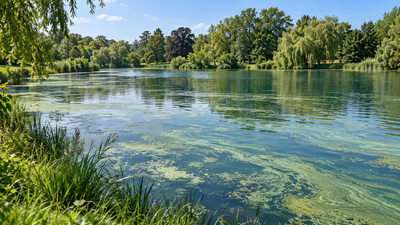
Algal bloom control
Chemical-free control of toxic algal blooms
Tackle the bloom and the toxins it leaves behind. VORTA treats lake water on site with hydrodynamic cavitation, destroying cyanobacterial cells and breaking down their toxins without adding chemicals.
Take action on toxic blooms
A bloom can cost you a season
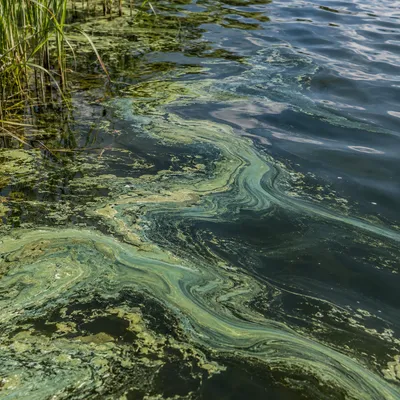
Blue-green algae, also known as cyanobacteria, thrive in warm, nutrient-rich water. A bloom can close a recreational lake for months, disrupt water supplies and leave a farm dam unusable.
Killing the cells is only half the job
Toxic blooms put people, pets, livestock and wildlife at risk. When cyanobacterial cells break apart, they can release toxins into the water. Effective treatment needs to tackle both.
Waiting has a cost too
Chemical treatments mean managing dosing and the toxins released as cells die. Waiting for cooler weather can mean months of lost access. VORTA offers an active treatment without chemical dosing.
How it works
On the bank or out on the water, the setup fits the size of your lake and the bloom.
Step 1: Position the unit
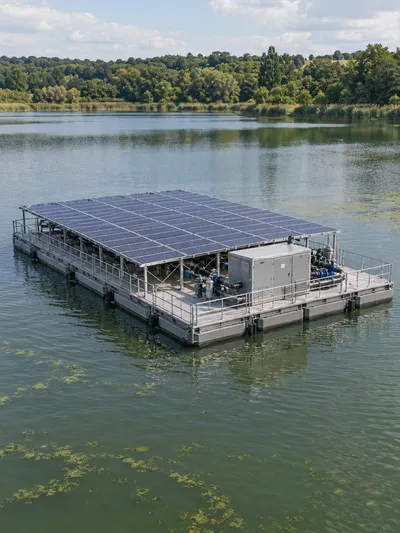
Treat from the shore, below the surface or on a floating platform. Larger sites can use a self-guided boat to reach the bloom.
Step 2: Treat the water
Water flows through VORTA, where collapsing bubbles break open algae cells and break down their toxins. No chemicals added.
Step 3: Keep it circulating
Treated water returns directly to the water body while treatment continues. The power supply is sized for the job, with solar an option where suitable.
Why VORTA for algal blooms
Field-trialled on a live bloom at Warminster Lake in the UK, with results featured on BBC News. Built on the VORTA platform used for industrial wastewater and biogas feedstocks.
Chemical-free
Treat the water without adding algaecides, peroxide or coagulants. VORTA puts the energy of flowing water to work.
One process for cells and toxins
The lake trial demonstrated cell destruction and toxin breakdown in the same treatment process, with up to 20% toxin degradation in the first field campaign.
No moving parts in the reactor
The reactor has no internal moving parts or narrow orifices. Its open flow design handles algae-laden water and reduces the risk of blockages.
Mobile and scalable
Choose a shore-based, submerged or floating setup to suit the water body. Capacity and coverage scale with the site and the bloom.
Works with what you have
Add active bloom treatment alongside nutrient management, aeration or flushing programs, with a setup that suits your site.
Backed by research
VORTA is built on more than a decade of cavitation research with university partners in Australia, the UK and Ireland.
For the water bodies you manage
Protect access, water supplies and animal health wherever recurring blooms cause disruption.
Councils and park managers
Keep recurring blooms from taking over the season at recreational lakes, park ponds and boating lakes.
Water utilities
Target blooms in raw water reservoirs and storage before they add to the demands on drinking water treatment.
Wetlands and stormwater
Tackle recurring blooms in urban wetlands, stormwater basins and connected water bodies.
Agriculture and aquaculture
Treat blooms in farm dams, irrigation storage and aquaculture ponds where water quality affects livestock and fish.
Mining and industry
Control algae in process water ponds, mine water storage and pit lakes where blooms limit water reuse.
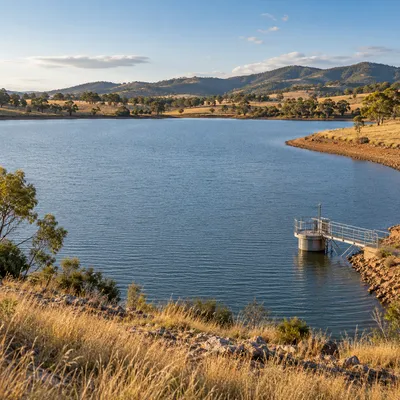
Take the next step before the next bloom
Tell us about your water body and the blooms you face. We can plan a trial on your site, treat your water and measure the results.